The Ultimate Guide to Choosing a Schoolbag: Comfort, Style, and Durability for School Success
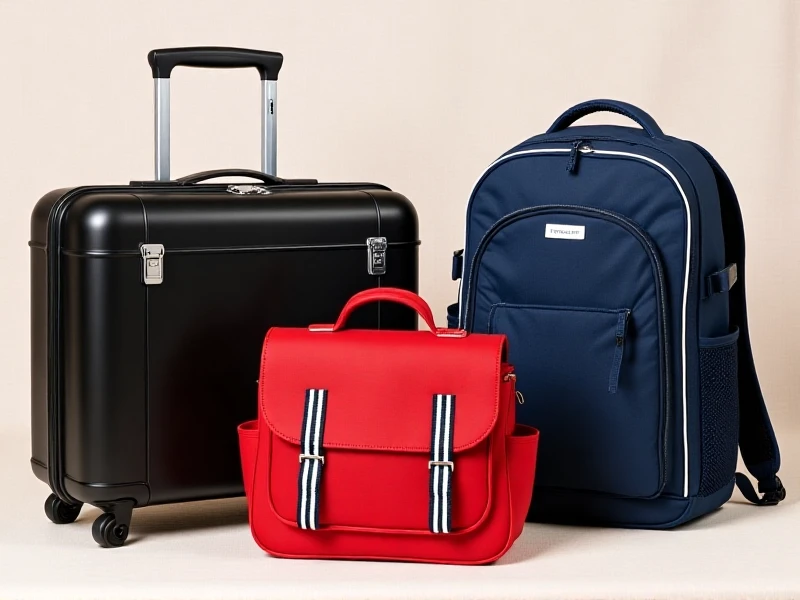
Every school year brings new adventures and challenges, but one essential item can make all the difference: the right schoolbag. As a parent, teacher, or student, you know that a well-chosen schoolbag isn't just about carrying books—it's about promoting comfort, supporting posture, and keeping essentials organized throughout the busy day. In this guide, we'll walk you through what makes a schoolbag stand out, helping you pick the perfect one for your family's needs. Whether you're shopping for a young learner or a high-school student, these insights come from years of observing real-life trends and feedback, ensuring your choice enhances academic focus without adding strain.
First, let's explore the various types of schoolbags available. Backpacks reign supreme for most students, offering ergonomic designs with padded straps and multiple compartments to distribute weight evenly—ideal for heavy textbooks and laptops. For older kids or those preferring a trendier look, messenger bags or sling styles provide sleek options, though they may require careful packing to avoid shoulder discomfort. If your child transports a lot of gear, rolling schoolbags on wheels can be a lifesaver on crowded hallways, but they're best for flat surfaces where stairs aren't a challenge. Each style caters to different body types and lifestyles, so assessing day-to-day demands ensures you land a schoolbag that feels like a second home rather than a burden.
When selecting a schoolbag, key features can't be overlooked. Opt for durable materials like nylon or polyester to withstand daily wear, and look for padded back panels to protect growing spines. Adjustable straps are a must to tailor the fit as your child grows, while reflective elements add safety during early mornings or dim afternoons. Multiple pockets help separate essentials—think pens, water bottles, and lunchboxes—for hassle-free organization. Don't forget size: aim for a schoolbag that doesn't exceed 10-15% of the child's body weight to prevent back pain. Finally, involve your little one in the choice; vibrant colors or themed prints from popular brands make packing fun and encourage responsibility.
Maintaining your schoolbag extends its lifespan significantly. Encourage your child to unload heavy items nightly and store it flat to preserve shape. Spot-clean spills as they happen with a damp cloth, and for deeper cleans, remove stuffing and toss it in the machine if the tag allows air-dry settings. Regular checks for worn zippers or frayed seams can save surprises mid-semester—tossing in a spare key ring or replacing buckles can boost functionality without needing a new buy. Plus, rotating between two schoolbags if possible reduces daily strain.
In conclusion, investing in a quality schoolbag is an investment in your child's well-being and school performance. By prioritizing comfort, personal style, and practical features, you'll help avoid aches and foster independence. Share your journey in the comments—what's your favorite schoolbag tip we've covered here? Let's build a community where every student starts the day confident and ready to conquer it!