The Ultimate Guide to Finding Your Perfect Backpack
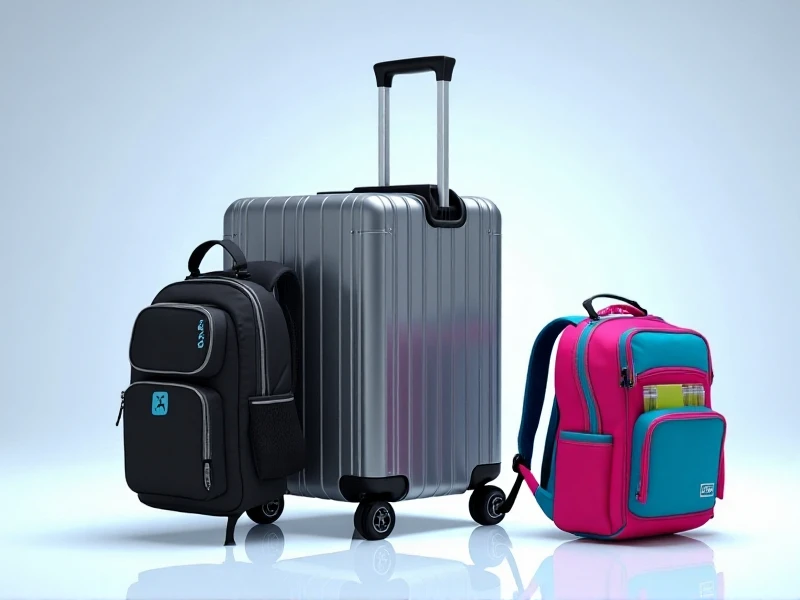
Choosing the right backpack isn't just about carrying things; it's about comfort, convenience, and matching your lifestyle. Whether you're a daily commuter, an avid hiker, a dedicated student, or simply need a reliable bag for everyday errands, the perfect pack awaits. Let's break down the key factors to help you find your ideal backpack.
First, Consider Your Purpose: Be brutally honest. Is this backpack primarily for:
- Commuting & Daily Use: Think urban journeys. You need organization for a laptop, tablet, notebook, charger, and maybe gym gear. Look for sleek designs, padded compartments, and comfortable straps for crowded transit. Durability against daily wear is key.
- Hiking & Travel: Adventure calls for rugged construction, weather resistance, and ample capacity. Focus on adjustable, padded shoulder straps combined with a robust hip belt to transfer weight off your shoulders. Features like lash points, hydration compatibility, and sturdy zippers matter.
- School: Students require workhorse backpacks. Prioritize durability, ergonomic support for heavy textbooks, numerous pockets for books/stationary, and often, a dedicated padded laptop sleeve. Comfort during long days is non-negotiable.
- Specialized Use: Photography packs? Diaper bags? Cycling packs? These have unique needs, so seek out features specifically designed for the task.
Size & Capacity (Volume): This is measured in liters (L). Don't over or underestimate.
- Small (10-20L): Ideal for daily essentials, light commute, short hikes, or as a personal item for travel. Think: umbrella, book, small tablet, snacks.
- Medium (20-35L): The sweet spot for most people. Fits a 15-17" laptop comfortably, several notebooks, a change of clothes, plus lunch and gear. Great for day hikes, weekend trips, and heavy-duty commuting.
- Large (35-50L ): Needed for multi-day hikes, extensive travel, or hauling significant gear. Often requires structured support systems.
Crucial Comfort Features:
- Padded Shoulder Straps: Essential. Wider straps distribute weight better, reducing pressure points.
- Back Padding & Suspension: Look for breathable mesh padding that contours your back. A hip belt on larger packs is vital for transferring weight to your hips, making heavy loads manageable.
- Adjustability: Sternum straps (chest straps) and load-lifter straps help stabilize the pack, keeping it close to your body for better balance.
Durability & Materials: How long your backpack lasts depends on quality.
- Fabrics: High-denier polyester or nylon offers great abrasion resistance and weather protection. Look for ripstop fabrics for added toughness. Some brands blend in waterproof materials like TPU.
- Zippers: Larger, sturdy YKK zippers are generally reliable signals of quality and ease of use, especially with gloves. Look for water-resistant zippers if weather exposure is likely.
Organization is King: Avoid the dreaded "black hole" effect. Internal organizers, exterior pockets, water bottle sleeves, key clips, and dedicated electronics compartments significantly boost usability and save you daily frustration.
Your Budget: Quality backpack options exist at various prices. Investing in a well-made pack from a reputable brand using durable materials often pays off long-term through resilience and sustained comfort.
Finding the best backpack isn't complex, but it requires knowing your specific needs. Prioritize fit, intended use, essential features, and sensible capacity. A great backpack becomes an effortless extension of you on every journey. Take your time, try packs on loaded if possible, and discover the perfect partner for your back!